Exploring the world of heat and air repair, this guide delves into the importance of regular maintenance, common issues homeowners may face, professional repair services, and upgrading systems for efficiency. Get ready to uncover valuable insights to keep your systems running smoothly.
Importance of Regular Maintenance
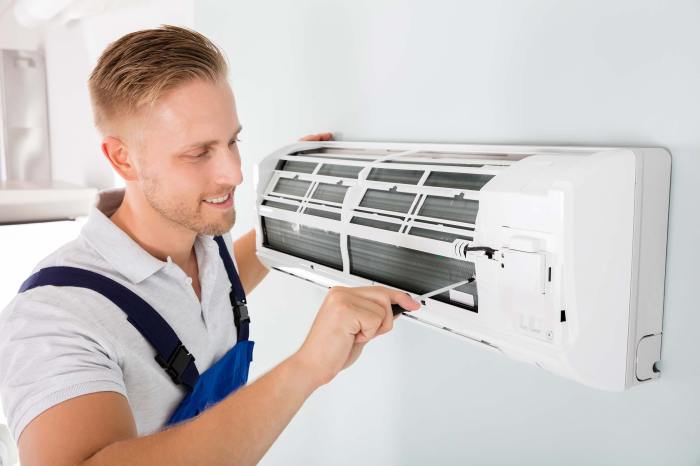
Regular maintenance for heat and air systems is crucial to ensure optimal performance and longevity of the equipment. Neglecting maintenance can lead to costly repairs, reduced efficiency, and a shortened lifespan of the system.
Preventing Costly Repairs
Regular maintenance, such as cleaning filters, checking for leaks, and inspecting the overall condition of the system, can help identify small issues before they escalate into major problems. By addressing these issues early on, homeowners can avoid costly repairs and keep their systems running smoothly.
Impact on System Efficiency and Lifespan
Neglecting maintenance can significantly impact the efficiency of the heat and air system. Dust and debris build-up can restrict airflow, making the system work harder to maintain the desired temperature, leading to increased energy consumption. Additionally, lack of maintenance can shorten the lifespan of the system, requiring premature replacement.
Common Issues and Troubleshooting
When it comes to heat and air repair, there are several common problems that homeowners may encounter. It's important to be aware of these issues and know how to troubleshoot them to ensure your HVAC system is running smoothly.
Faulty Thermostat
If your HVAC system is not turning on or off at the right temperature, the thermostat may be the culprit. To troubleshoot this issue, check the thermostat settings, replace the batteries, and ensure it is properly calibrated. If the problem persists, it's best to consult a professional for repair or replacement.
Clogged Air Filters
Clogged air filters can restrict airflow and reduce the efficiency of your HVAC system. Regularly changing or cleaning the air filters can prevent this issue. If you notice reduced airflow or increased dust in your home, check the air filters and replace them if needed.
Refrigerant Leaks
If your air conditioner is not cooling properly, it could be due to a refrigerant leak. Signs of a refrigerant leak include reduced cooling performance and ice buildup on the refrigerant lines. It's crucial to address this issue promptly by contacting a professional HVAC technician for repair.
Noisy Operation
If your HVAC system is making unusual noises such as banging, rattling, or squealing, it could indicate a mechanical problem. Check for loose components, damaged belts, or worn-out bearings. While some minor adjustments can be made by homeowners, complex repairs should be left to the experts.
Professional Repair Services
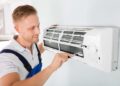
When it comes to heat and air repair, hiring a professional service provider is crucial to ensure the job is done correctly and efficiently. Professional repair services offer expertise, reliability, and the necessary equipment to handle any issues that may arise with your heating and cooling systems.
Comparing Service Providers
- Expertise: Look for service providers with experienced technicians who have the knowledge and skills to diagnose and repair a wide range of heating and cooling systems.
- Pricing: Compare quotes from different repair companies to ensure you are getting a fair price for the services being offered.
- Customer Reviews: Check online reviews and ask for recommendations from friends or family to gauge the reputation of the repair service provider.
Importance of Certifications and Licenses
It is essential to choose a repair service that holds the necessary certifications and licenses to operate in your area.
Certifications and licenses demonstrate that the technicians have undergone training and are qualified to work on heating and cooling systems. This ensures that the repair service provider adheres to industry standards and regulations, giving you peace of mind that the job will be done safely and effectively.
Upgrading Systems for Efficiency
Upgrading your heating and cooling systems can greatly improve energy efficiency in your home or business. By investing in modern technologies and equipment, you can enjoy lower energy bills, increased comfort, and reduced environmental impact.
Examples of Modern Technologies:
- Smart Thermostats: These devices allow you to control your HVAC system remotely, adjust settings based on your schedule, and optimize energy usage.
- Variable-Speed Air Handlers: These units adjust airflow to meet demand, reducing energy consumption and improving indoor air quality.
- High-Efficiency Heat Pumps: These systems use less energy to heat and cool your space, providing consistent comfort at a lower cost.
Cost-Benefit Analysis:
When considering whether to upgrade or repair an outdated system, it's essential to weigh the costs and benefits. While upgrading may require an initial investment, the long-term savings on energy bills and potential rebates or incentives can make it a financially sound decision.
Additionally, modern systems often come with warranties and advanced features that can enhance comfort and convenience in your space.
Closing Notes
In conclusion, maintaining your heat and air systems is key to their longevity and efficiency. By understanding the importance of regular maintenance, common troubleshooting tips, and the benefits of professional repair services, you can ensure your systems operate at their best.
Explore the possibilities of upgrading for improved energy efficiency and comfort. Stay informed, stay comfortable.
Answers to Common Questions
How often should I schedule maintenance for my heat and air systems?
Maintenance should ideally be scheduled at least once a year to ensure optimal performance and prevent costly repairs.
What are some common signs that indicate my system needs repair?
Unusual noises, uneven heating or cooling, and sudden spikes in energy bills are common indicators that your system may need repair.
Is it advisable to attempt DIY repairs on my heat and air systems?
While minor issues can sometimes be addressed with DIY solutions, it's best to leave complex repairs to professional technicians to avoid further damage.
How can I choose the right professional service provider for repair work?
Look for providers with expertise, positive customer reviews, and proper certifications and licenses to ensure quality service.