Delving into the realm of siding and roofing replacement costs, this introduction sets the stage for a comprehensive discussion on the various factors influencing these expenses. The intricacies of material selection, labor costs, and geographical nuances will be unraveled, providing readers with a nuanced understanding of this essential aspect of homeownership.
Siding and Roofing Replacement Cost Factors
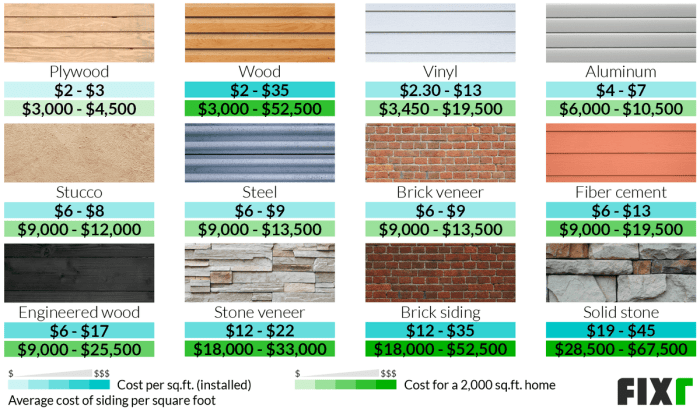
When considering the cost of siding and roofing replacement, several key factors come into play that can influence the overall expenses involved. It's essential to understand these factors to make informed decisions and budget accordingly.
Material Selection Impact
The choice of materials for siding and roofing can significantly impact the overall cost of replacement. High-quality materials such as metal, cedar, or slate tend to be more expensive upfront but offer better durability and longevity, potentially reducing long-term maintenance costs.
On the other hand, opting for more budget-friendly options like asphalt shingles or vinyl siding can help lower initial costs but may require more frequent replacements or repairs in the future.
Labor and Installation Complexity
Another crucial factor in determining the cost of siding and roofing replacement is the labor required for installation. The complexity of the installation process, such as steep roof angles or intricate siding designs, can increase labor costs. Additionally, hiring experienced professionals or specialized contractors may come at a higher price but can ensure a quality installation that minimizes the risk of future issues.
Geographical Location and Market Trends
Cost variations based on geographical location and market trends can also impact the overall expenses of siding and roofing replacement. Areas with higher living costs or high demand for construction services may have higher labor and material costs. It's essential to research local market trends and compare quotes from different contractors to get a better understanding of the pricing landscape in your area.
Types of Siding and Roofing Materials
When it comes to siding and roofing materials, there are several options available, each with its unique characteristics, costs, and maintenance requirements.
Common Siding Materials
- Vinyl: Vinyl siding is a popular choice due to its affordability, versatility, and low maintenance. It comes in a variety of colors and styles, making it easy to customize the look of your home.
- Wood: Wood siding offers a natural and traditional look to a home. While it requires more maintenance than vinyl, it can be painted or stained to match your preferences.
- Fiber Cement: Fiber cement siding is durable, fire-resistant, and resistant to rot and insects. It can mimic the look of wood or stucco and is a low-maintenance option.
- Metal: Metal siding is known for its longevity and durability. It is resistant to rot, insects, and fire, making it a great option for harsh weather conditions.
Roofing Materials
- Asphalt Shingles: Asphalt shingles are the most common roofing material due to their affordability. They come in a variety of colors and styles and are easy to install.
- Metal: Metal roofing is known for its longevity and durability. It is lightweight, energy-efficient, and can last up to 50 years or more with proper maintenance.
- Tile: Tile roofing offers a unique and aesthetic appeal to a home. It is durable, fire-resistant, and can last for 50 years or more. However, it can be expensive to install.
- Slate: Slate roofing is a premium option known for its elegance and longevity. It can last over 100 years and is resistant to fire, rot, and insects. However, it is one of the most expensive roofing materials.
Cost Differences and Longevity
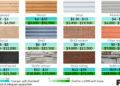
- Cost Differences: The cost of siding and roofing materials can vary significantly. Vinyl and asphalt shingles are typically the most affordable options, while materials like wood, metal, tile, and slate tend to be more expensive.
- Longevity and Maintenance: Vinyl siding, asphalt shingles, and metal roofing are generally lower maintenance options compared to wood, fiber cement, tile, and slate. While wood siding and slate roofing may require more maintenance, they offer longer lifespans.
Cost Estimation Methods
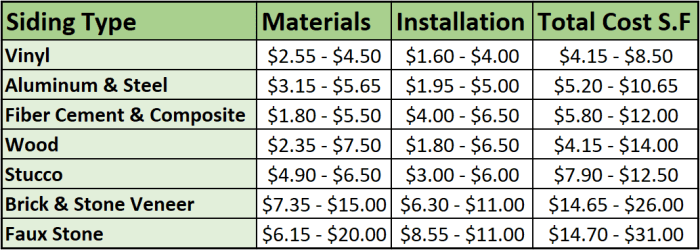
When it comes to estimating siding and roofing replacement costs, there are several key factors to consider. Square footage calculations play a crucial role in determining the overall cost of the project. By measuring the square footage of the area that needs to be covered with new siding or roofing materials, contractors can provide accurate estimates based on the amount of materials required.
Importance of Factoring in Additional Costs
It is essential to factor in additional costs such as underlayment, flashing, and trim work when estimating siding and roofing replacement costs. These components are necessary for ensuring the durability and longevity of the new siding and roofing materials. Without proper underlayment and flashing, water damage and leaks can occur, leading to costly repairs in the future.
- Underlayment: Provides a moisture barrier and added protection against the elements.
- Flashing: Prevents water from seeping into vulnerable areas, such as roof valleys and around chimneys.
- Trim work: Enhances the aesthetic appeal of the home and provides a finished look to the project.
Proper installation of underlayment and flashing is crucial for the overall performance and longevity of the siding and roofing materials.
Online Tools for Cost Estimation
There are various online tools and software available that can help homeowners and contractors estimate siding and roofing replacement costs more accurately. These tools take into account factors such as material costs, labor fees, and additional expenses to provide a comprehensive cost estimate for the project.
- Roofing Calculator: Allows users to input details about their roofing project, including roof size, pitch, and material type, to generate a cost estimate.
- Siding Cost Calculator: Helps users determine the total cost of siding replacement based on factors like square footage, material choice, and installation costs.
Tips for Accurate Cost Estimates
To ensure homeowners get accurate cost estimates from contractors, it is essential to:
- Get multiple quotes from different contractors to compare prices and services offered.
- Ask for a detailed breakdown of the estimate, including materials, labor, and any additional costs.
- Clarify the scope of work and ensure that all necessary components are included in the estimate.
- Check for any warranties or guarantees provided by the contractor for the work done.
Return on Investment (ROI) Considerations
When considering a siding and roofing replacement project, it's essential to analyze the potential return on investment (ROI) in terms of increased property value and long-term savings. Investing in quality materials and energy-efficient options can have a significant impact on both the resale value of a home and the overall cost savings over time.
Increased Property Value
Replacing siding and roofing with high-quality materials can significantly increase the curb appeal and overall value of a property. Potential buyers are often willing to pay more for a home that has updated and well-maintained siding and roofing, leading to a higher resale value.
Energy-Efficient Materials and Long-Term Savings
Choosing energy-efficient siding and roofing materials can lead to long-term savings on energy bills. Insulated siding and cool roofing options can help regulate indoor temperatures, reducing the need for heating and cooling, ultimately lowering energy costs and increasing the overall ROI of the project.
Financing Options
- Home Equity Loans: Borrow against the equity in your home to finance the siding and roofing project.
- Personal Loans: Obtain a personal loan to cover the cost of the replacement project.
- Manufacturer Financing: Some siding and roofing manufacturers offer financing options for their products.
Quality Materials and Resale Value
Investing in high-quality siding and roofing materials can enhance the durability and longevity of your home's exterior. This can not only improve the overall aesthetic appeal but also increase the resale value of your property. Potential buyers are more likely to pay a premium for a home with premium materials that require less maintenance and upkeep.
Wrap-Up
In conclusion, the intricacies of siding and roofing replacement costs have been dissected, shedding light on the key considerations for homeowners embarking on such projects. From material choices to ROI implications, this discourse aims to empower individuals with the knowledge needed to make informed decisions regarding their property investments.
User Queries
What are the key factors influencing siding and roofing replacement costs?
The key factors include material selection, labor costs, installation complexity, geographical location, and market trends.
Which roofing material has the highest longevity?
Slate roofing is known for its exceptional longevity, lasting up to a century with proper maintenance.
How can homeowners ensure accurate cost estimates from contractors?
Homeowners can request detailed quotes, compare multiple estimates, and ensure all necessary aspects of the project are included in the proposal.