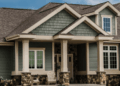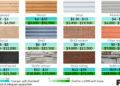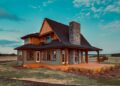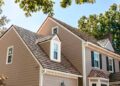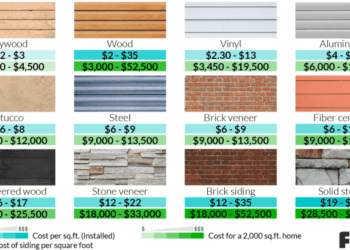
Embark on a journey into the world of natural wood siding houses, where the beauty of nature meets the functionality of home design. This guide will delve into the benefits, types of wood, installation process, and finishes to help you envision your dream wooden abode.
Benefits of Natural Wood Siding
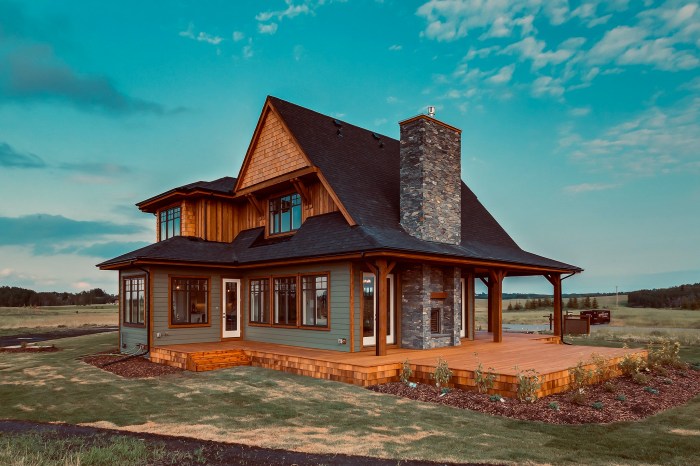
When it comes to choosing siding for your home, natural wood siding stands out for its numerous benefits that go beyond just aesthetics.
Environmental Advantages
Natural wood siding is a sustainable choice as it is a renewable resource. Unlike synthetic materials, wood can be sourced responsibly and is biodegradable, making it an environmentally friendly option for your home.
Aesthetic Appeal
Natural wood siding brings a timeless and warm look to a house, adding character and charm that other materials simply cannot replicate. The unique grain patterns and natural colors of wood create a beautiful and inviting facade for any home.
Durability and Longevity
Contrary to popular belief, natural wood siding can be a durable and long-lasting option when properly maintained. With the right treatment and care, wood siding can withstand the elements and last for decades, outperforming many other siding materials in terms of longevity.
Types of Wood Used for Siding
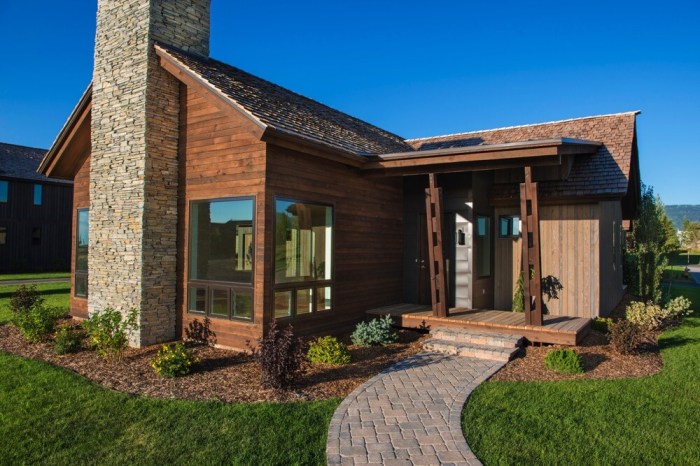
When it comes to natural wood siding, there are several types of wood commonly used for this purpose. Each type of wood has its own unique characteristics in terms of appearance, maintenance requirements, and cost implications.
Cedar
Cedar is a popular choice for wood siding due to its natural resistance to rot and insects. It has a beautiful reddish-brown color that weathers gracefully over time, giving a rustic look to the house. Cedar siding requires regular maintenance to preserve its appearance, including staining or painting every few years.
While cedar siding may be more expensive upfront, its durability and aesthetic appeal make it a worthwhile investment in the long run.
Pine
Pine is another commonly used wood for siding, known for its affordability and versatility. It can be easily painted or stained to achieve the desired look for the house. However, pine is more susceptible to rot and decay compared to cedar, requiring more frequent maintenance and upkeep.
Despite its lower cost, pine siding may need to be replaced sooner than other wood types, which can add up in terms of long-term expenses.
Redwood
Redwood is a premium option for wood siding, prized for its rich color and natural resistance to decay. It has a luxurious appearance that adds elegance to any home exterior. Redwood siding is low-maintenance, requiring only occasional sealing to protect it from the elements.
While redwood siding comes with a higher price tag, its exceptional durability and timeless beauty make it a desirable choice for homeowners looking for a high-end finish.
Installation Process
When it comes to installing natural wood siding on a house, there are several important steps to follow to ensure a successful and long-lasting outcome. Proper preparation, installation techniques, and ongoing maintenance are key factors in the process.
Preparation of the Exterior
Before installing wood siding, it is crucial to prepare the exterior of the house properly. This includes:
- Inspecting the existing siding for any damage or rot that needs to be repaired before installation.
- Cleaning the surface thoroughly to remove dirt, debris, and any peeling paint.
- Applying a weather-resistant barrier to protect the house from moisture and prevent water damage.
- Measuring and cutting the wood siding to fit the dimensions of the house accurately.
Installation Techniques
- Start by installing the starter strip at the bottom of the wall to provide a secure base for the first row of siding.
- Overlap each piece of siding slightly to allow for natural expansion and contraction of the wood.
- Secure the siding using nails or screws, making sure to leave a small gap between each piece to allow for ventilation.
- Finish the installation with trim pieces around windows, doors, and corners for a clean and polished look.
Maintenance and Upkeep
Proper maintenance is essential to keep natural wood siding looking its best and prolong its lifespan. This includes:
- Regularly inspecting the siding for any signs of damage, such as rot, warping, or insect infestations.
- Cleaning the siding with a mild detergent and water to remove dirt, mold, and mildew buildup.
- Applying a fresh coat of sealant or paint every few years to protect the wood from the elements and maintain its appearance.
- Pruning back any vegetation that may be growing near the siding to prevent moisture buildup and potential damage.
Finishes and Treatments
When it comes to natural wood siding, finishes and treatments play a crucial role in maintaining the beauty and longevity of the material. Finishes protect the wood from moisture, UV rays, and other elements, while treatments help prevent rot, mold, and insect damage.
Popular Finishes for Wood Siding
There are several popular finishes available for wood siding, each with its own set of pros and cons:
- Paint:Provides a wide range of color options and offers excellent protection against the elements. However, it requires regular maintenance and may hide the natural grain of the wood.
- Stain:Enhances the natural beauty of the wood while offering protection. It comes in various tints and allows the wood grain to show through. Stains typically need to be reapplied every few years.
- Sealer:Offers a clear protective layer that allows the wood's natural color and grain to shine through. Sealers are easy to apply but may need to be reapplied more frequently than other finishes.
Role of Treatments
Treatments are essential for protecting wood siding from the elements:
- Water Repellent:Helps prevent moisture from penetrating the wood, reducing the risk of rot and mold.
- Wood Preservative:Contains chemicals that protect against insect infestation and fungal decay, extending the lifespan of the wood.
- Primer:Creates a smooth base for finishes to adhere to, improving their effectiveness and longevity.
Final Conclusion
In conclusion, natural wood siding houses offer a timeless elegance and sustainability that can transform any dwelling into a sanctuary of warmth and charm. Embrace the natural allure of wood siding and make your home a true reflection of your eco-conscious style.
Helpful Answers
Is natural wood siding environmentally friendly?
Yes, natural wood siding is a sustainable choice as it is biodegradable and renewable.
What are the popular types of wood used for siding?
Cedar, pine, and redwood are commonly used for natural wood siding due to their durability and aesthetics.
How long does natural wood siding last compared to other materials?
With proper maintenance, natural wood siding can last up to 30 years or more, outlasting many other siding materials.
What finishes are recommended for protecting natural wood siding?
Sealants and stains are popular finishes that help protect wood siding from UV rays, moisture, and insects.