Exploring the realm of home exterior siding and roofing ideas opens up a world of possibilities for transforming your house into a stunning masterpiece. From choosing the right materials to selecting the perfect color combinations, this guide delves into the intricacies of creating a visually appealing and durable exterior for your home.
As we delve deeper into the nuances of siding, roofing, color schemes, and maintenance tips, you'll discover how these elements can significantly impact the overall aesthetics and longevity of your home.
Siding Ideas
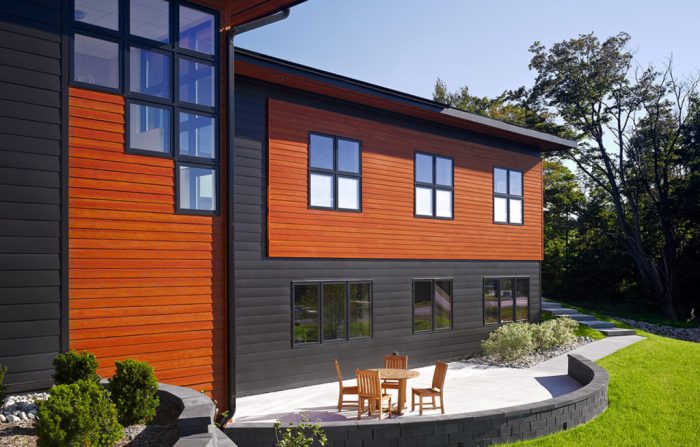
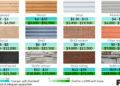
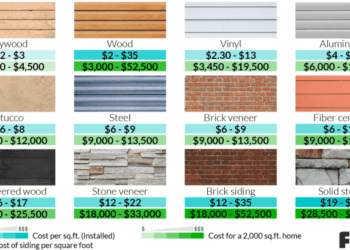
When it comes to choosing the right siding for your home, there are various materials to consider. Each type of siding has its own set of pros and cons, so it's important to weigh your options carefully. Additionally, mixing and matching different siding materials can add a unique and visually appealing touch to your home's exterior.
Types of Siding Materials
- Vinyl Siding: Vinyl siding is a popular choice due to its affordability, low maintenance, and wide range of colors and styles. However, it may not be as durable as other materials and can crack or fade over time.
- Fiber Cement Siding: Fiber cement siding is known for its durability, resistance to rot and insects, and fire resistance. It can mimic the look of wood or stucco but requires more maintenance compared to vinyl.
- Wood Siding: Wood siding offers a natural and timeless look to your home. It can be painted or stained in various colors and finishes. However, wood siding is prone to rot, pests, and requires regular maintenance.
- Brick Siding: Brick siding is durable, low maintenance, and provides excellent insulation. It adds a classic and elegant look to your home but can be expensive to install.
Mix and Match Siding Ideas
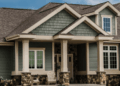
Consider combining different siding materials to create a unique and eye-catching exterior for your home. For example, you can use brick siding on the lower half of your house for a sturdy base, and then complement it with wood or fiber cement siding on the upper levels for a contrasting look.
Mixing siding materials can add texture, depth, and visual interest to your home's facade.
Roofing Ideas
When it comes to roofing materials for homes, there are several popular options that homeowners can choose from based on their preferences, budget, and climate conditions. Each roofing material has its own characteristics and benefits, so it's essential to consider various factors before making a decision.
Popular Roofing Materials
There are several popular roofing materials commonly used for homes, including:
- Asphalt Shingles: Affordable and versatile, suitable for most residential properties.
- Metal Roofing: Durable, energy-efficient, and available in various styles like standing seam or metal tiles.
- Wood Shingles or Shakes: Natural and rustic appearance, but require more maintenance than other materials.
- Clay or Concrete Tiles: Long-lasting and fire-resistant, providing a unique aesthetic to a home.
- Slate: Elegant and durable, but also one of the most expensive roofing materials.
Factors to Consider
Before choosing a roofing material, homeowners should consider the following factors:
- Climate: Select a material that can withstand the weather conditions in your area.
- Cost: Determine your budget and choose a roofing material that fits within it.
- Energy Efficiency: Consider materials that can help reduce energy costs and improve insulation.
- Maintenance: Evaluate the maintenance requirements of each material and choose one that aligns with your lifestyle.
Innovative Roofing Designs
For homeowners looking to enhance the overall aesthetics of their home, there are innovative roofing designs and patterns that can make a statement:
- Green Roofs: Eco-friendly options with vegetation to improve insulation and reduce stormwater runoff.
- Solar Panels: Combine energy efficiency with modern design by integrating solar panels into the roofing structure.
- Patterned Shingles: Create visual interest with unique shingle patterns like scallops, diamonds, or staggered designs.
Color Combinations
When it comes to choosing colors for your home's exterior siding and roofing, it's important to consider how different color combinations can impact the overall curb appeal of your house. The right color scheme can create a cohesive look that enhances the aesthetic appeal of your home, while the wrong combination can clash and detract from its overall appearance.
Explore Color Schemes
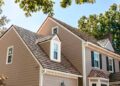
When exploring color schemes for your siding and roofing, consider choosing colors that complement each other well. Opt for colors that are in the same color family or have similar undertones to create a harmonious look. For example, pairing a warm-toned siding with a complementary warm-toned roofing can create a visually pleasing effect.
Impact on Curb Appeal
The color choices you make for your home's exterior can have a significant impact on its curb appeal. Bright, bold colors can make a statement and draw attention to your home, while more neutral tones can create a timeless and classic look.
Consider the architectural style of your home and the surrounding landscape when choosing colors to ensure they blend seamlessly with the overall aesthetic.
Tips for Choosing Colors
When selecting colors for your siding and roofing, take into account the natural lighting conditions around your home. Colors can appear different in various lighting situations, so it's important to test samples in different lighting conditions before making a final decision.
Additionally, consider the color of other elements on your home, such as doors, windows, and trim, to ensure a cohesive color palette throughout.
Maintenance Tips
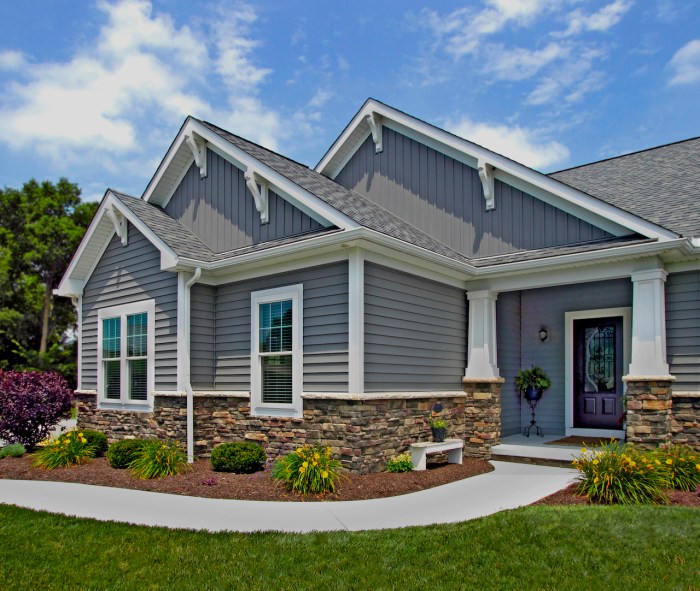
Maintaining the exterior of your home, including the siding and roofing, is crucial to ensure their longevity and aesthetic appeal. Proper maintenance practices can help prevent costly repairs and replacements down the line.Regular inspections are essential to identify any issues early on and address them promptly.
It is recommended to inspect your siding and roofing at least twice a year, ideally in the spring and fall, to check for any signs of damage or wear.
Maintenance Requirements for Different Siding Materials
- For vinyl siding, clean it regularly with a mixture of water and mild detergent to remove dirt and grime. Avoid using abrasive cleaners that can damage the surface.
- Wood siding should be inspected for rot, mold, or mildew. Repaint or reseal the wood as needed to protect it from moisture and UV damage.
- Fiber cement siding requires repainting every 7-15 years to maintain its appearance and protect it from the elements.
- Metal siding can be cleaned with water and mild soap. Inspect for any dents or scratches that may need to be repaired to prevent rusting.
Tips for Roofing Maintenance
- Clean your roof regularly by removing debris such as leaves, branches, and dirt. Clogged gutters can lead to water damage and mold growth.
- Inspect the roof for missing or damaged shingles, cracked seals around vents, or signs of water leaks. Address any issues immediately to prevent further damage.
- Trim overhanging branches to prevent them from rubbing against the roof and causing damage. Tree branches can also provide easy access for pests like squirrels or raccoons.
Importance of Regular Inspections and Repairs
Regular inspections and timely repairs are essential to ensure the durability and longevity of your siding and roofing. Neglecting maintenance can lead to more significant issues, such as water damage, mold growth, and structural damage, which can be costly to repair.By staying proactive and addressing any issues as soon as they arise, you can extend the lifespan of your siding and roofing, keeping your home looking its best for years to come.
Ending Remarks
In conclusion, by incorporating these innovative ideas and expert tips into your home exterior design, you can elevate the beauty and functionality of your living space. Whether it's experimenting with unique siding materials or exploring creative roofing patterns, the possibilities are endless when it comes to enhancing your home's curb appeal.
Helpful Answers
What are the best color combinations for home exterior siding and roofing?
Opt for neutral tones like beige, gray, or white for a classic look, or go bold with complementary colors like navy and mustard for a more modern aesthetic.
How often should I inspect and maintain my siding and roofing?
Regular inspections should be done at least twice a year, and maintenance tasks such as cleaning gutters and checking for leaks should be performed as needed.
Can I mix different siding materials on my home's exterior?
Absolutely! Mixing materials like wood, vinyl, and stone can add visual interest and texture to your home's facade.