Embark on a journey through the realm of eco-friendly siding options, where sustainability meets style and practicality. Discover the array of choices available for environmentally conscious homeowners looking to enhance their houses with eco-friendly materials.
Learn about the different types of eco-friendly siding, the benefits they offer, and how they contribute to a greener planet.
Types of Eco-Friendly Siding
When it comes to eco-friendly siding options, there are several materials to choose from that offer sustainability benefits while enhancing the appearance of your home.
1. Wood Siding
Wood siding is a popular choice for its natural aesthetic appeal and renewable source. It is biodegradable and can be recycled, making it an environmentally friendly option for siding. However, wood siding requires regular maintenance to prevent rot and decay.
2. Fiber Cement Siding
Fiber cement siding is a durable and low-maintenance option made from a combination of cement, sand, and cellulose fibers. It is resistant to fire, insects, and rot, making it a long-lasting eco-friendly choice for siding. Fiber cement siding is also recyclable and helps improve energy efficiency in homes.
3. Recycled Metal Siding
Recycled metal siding is made from salvaged metal materials, such as aluminum or steel, that have been repurposed for use as siding. This sustainable option reduces the demand for new raw materials and helps divert waste from landfills. Recycled metal siding is also highly durable and can be recycled again at the end of its lifespan.
4. Bamboo Siding
Bamboo siding is a rapidly renewable material that grows quickly and does not require replanting. It is a sustainable alternative to traditional wood siding, offering a similar natural look and feel. Bamboo siding is also resistant to pests and mildew, making it a low-maintenance eco-friendly option for homes.
5. Cork Siding
Cork siding is made from the bark of cork oak trees, which regenerates every few years without harming the tree. It is a natural insulator, helping to reduce energy consumption for heating and cooling. Cork siding is also resistant to mold, mildew, and insects, making it a durable and environmentally friendly choice for siding.
Recycled Materials
Using recycled materials in eco-friendly siding production is a sustainable practice that helps reduce waste and minimize the environmental impact of construction. By repurposing materials that would otherwise end up in landfills, manufacturers can create durable and attractive siding options that are both eco-friendly and cost-effective.
Innovative Use of Recycled Materials
One innovative way recycled materials are used in siding production is through the use of recycled wood fibers. These fibers are often sourced from post-consumer waste such as old furniture or pallets, and are combined with other materials to create a strong and durable siding product.
By utilizing recycled wood fibers, manufacturers can reduce the demand for virgin timber and help preserve forests.Another example of innovative use of recycled materials in siding production is the incorporation of recycled plastic. Plastic bottles, bags, and other plastic waste can be melted down and molded into siding panels, providing a durable and weather-resistant alternative to traditional vinyl siding.
This not only helps reduce plastic waste but also decreases the need for new plastic production, which has a significant environmental impact.
Positive Impact on the Environment
The use of recycled materials in siding production has a positive impact on the environment in several ways. By diverting waste from landfills, manufacturers help reduce the amount of waste that ends up in our oceans and natural habitats. Additionally, using recycled materials reduces the need for new resource extraction, such as logging for timber or drilling for oil to produce plastic.
This helps conserve natural resources and reduce greenhouse gas emissions associated with resource extraction and manufacturing.Overall, incorporating recycled materials into eco-friendly siding options not only helps reduce waste and conserve resources but also creates a more sustainable building industry that is less dependent on finite materials.
By choosing siding made from recycled materials, consumers can contribute to a greener future while enjoying durable and aesthetically pleasing siding options for their homes.
Energy Efficiency
When it comes to eco-friendly siding options, energy efficiency is a key factor to consider for homeowners looking to reduce their carbon footprint and save on energy costs.
Impact of Energy-Efficient Siding
Energy-efficient siding plays a crucial role in reducing heating and cooling costs in homes. By providing better insulation and preventing air leaks, energy-efficient siding helps maintain a consistent indoor temperature, reducing the need for excessive heating or cooling.
- Proper insulation: Energy-efficient siding materials such as insulated vinyl, fiber cement, or wood composite siding help keep the indoor temperature stable, reducing the load on heating and cooling systems.
- Air leakage prevention: Choosing siding options with tight seals and proper installation can prevent drafts and air leaks, ensuring that conditioned air stays inside the home.
- Reflective properties: Some eco-friendly siding materials have reflective properties that can reduce heat absorption, keeping the home cooler in hot weather and reducing the need for air conditioning.
Choosing Energy-Efficient Siding Options
When selecting energy-efficient siding for your home, consider the following tips to maximize energy savings:
- Look for high R-value: Choose siding materials with a high R-value, which indicates better insulation properties and energy efficiency.
- Consider climate: Select siding options that are suitable for your region's climate to ensure optimal performance in both hot and cold weather conditions.
- Professional installation: Proper installation by experienced professionals is essential to ensure that energy-efficient siding performs effectively and provides maximum energy savings.
Installation and Maintenance
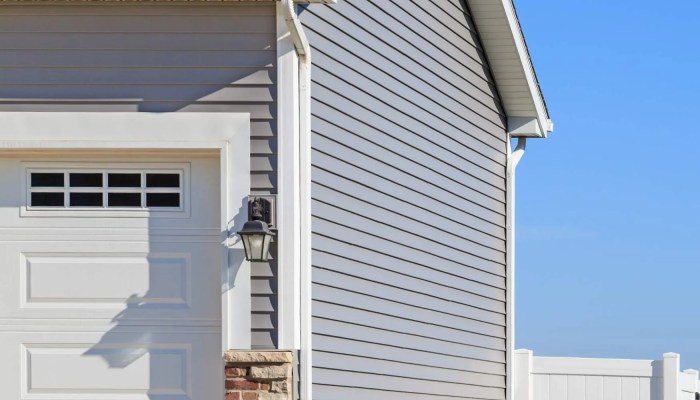
Installing eco-friendly siding materials is a crucial step in ensuring the sustainability of your home. It is important to follow the manufacturer's guidelines and recommendations to ensure proper installation.
Durability and Maintenance
When it comes to eco-friendly siding options, durability and maintenance requirements can vary depending on the material used. Here are some common eco-friendly siding options and their maintenance recommendations:
- Bamboo Siding: Bamboo siding is known for its durability and resistance to pests and rot. To maintain bamboo siding, regular cleaning with a mild detergent and water is recommended. Avoid using harsh chemicals that can damage the natural fibers of bamboo.
- Recycled Plastic Siding: Recycled plastic siding is a low-maintenance option that is resistant to rot, insects, and mold. Periodic cleaning with a hose or pressure washer is usually sufficient to keep recycled plastic siding in good condition.
- Wood Siding: Wood siding, especially when sourced from sustainable forests, is a popular eco-friendly option. To maintain wood siding, regular staining or painting is recommended to protect it from the elements and prevent rot. Inspecting for any signs of damage or decay and addressing them promptly is also important to prolong the lifespan of wood siding.
Best Practices for Maintenance
Proper maintenance is key to prolonging the lifespan of eco-friendly siding materials. Here are some best practices to follow:
- Regularly inspect the siding for any signs of damage, such as cracks, warping, or discoloration.
- Clean the siding at least once a year to remove dirt, debris, and mildew that can accumulate over time.
- Trim any vegetation that is in close proximity to the siding to prevent moisture buildup and pest infestations.
- Address any issues promptly to prevent further damage and ensure the longevity of the siding material.
Epilogue
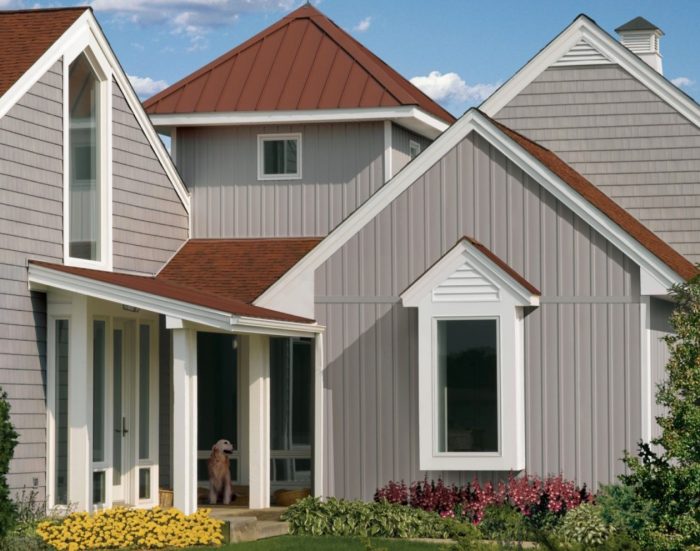
In conclusion, eco-friendly siding options not only elevate the aesthetics of homes but also play a vital role in reducing environmental impact. By choosing sustainable materials, homeowners can make a positive difference while enjoying the numerous advantages that eco-friendly siding provides.
Commonly Asked Questions
Are eco-friendly siding options more expensive than traditional siding materials?
While the initial cost of eco-friendly siding may be slightly higher, the long-term savings on energy bills and maintenance often offset the higher upfront investment. Additionally, many eco-friendly options qualify for rebates and incentives that can help lower the overall cost.
Can eco-friendly siding options be painted or customized?
Yes, many eco-friendly siding materials can be painted or customized to suit individual preferences. However, it's important to choose paints and finishes that are also environmentally friendly to maintain the eco-conscious nature of the siding.
Do eco-friendly siding options require special maintenance?
While eco-friendly siding is generally low-maintenance, it's important to follow manufacturer recommendations for cleaning and upkeep to ensure its longevity and performance. Regular inspections and cleaning can help prolong the lifespan of eco-friendly siding materials.